
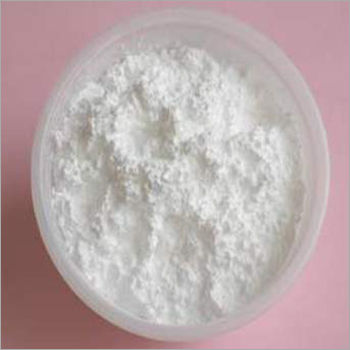
Magnesium Stearate
90.0 INR/Kilograms
Product Details:
- EINECS No 209-150-3
- Solubility Insoluble in water; soluble in hot ethanol and some organic solvents
- Shelf Life 2 years under proper storage conditions Years
- Poisonous NO
- Ph Level 7.010.0 in aqueous suspension
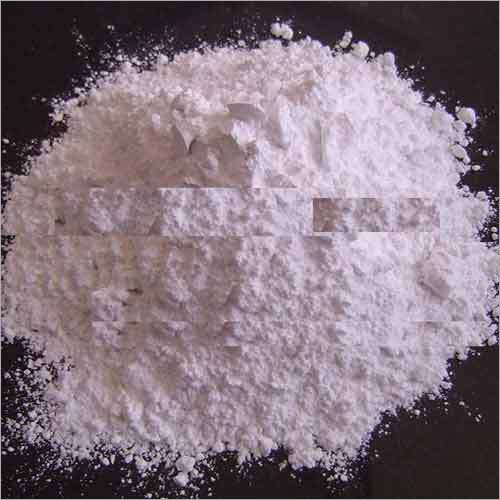
- Appearance White fine powder
- HS Code 29159021
- Click to View more
X
Magnesium Stearate Price And Quantity
- 100 Kilograms
- 90.0 INR/Kilograms
Magnesium Stearate Product Specifications
- Pharmaceutical Food Cosmetic
- Powdered
- Insoluble in water; soluble in hot ethanol and some organic solvents
- 557-04-0
- 209-150-3
- Other
- Powder
- CH3(CH2)16COO)2Mg
- White fine powder
- 29159021
- 99% minimum
- 2 years under proper storage conditions Years
- 7.010.0 in aqueous suspension
- NO
- Magnesium and stearate
- 8892C
- Other
- Used as a lubricant anti-caking agent binder and release agent in pharmaceuticals food and cosmetics
- C36H70MgO4
- Fine white powder hydrophobic anti-adherent properties
- Neutral or slightly soapy
- 591.24 g/mol Grams (g)
- Commonly applied in tablet manufacturing food additives and cosmetic formulations
- 1.026 Gram per cubic centimeter(g/cm3)
Magnesium Stearate Trade Information
- 2-3 Days
Product Description
Available in white powder form, magnesium stearate acts as an anti caking factor in cosmetics and food processing fields. Its insolubility in water and organic solvents makes it ideal raw material for any dry formulations. Its low melting point makes it suitable release agent. As suitable lubricant, magnesium stearate has important role in the formulation of tablets. As an effective stabilizer, this chemical maintains bonding stability of all the ingredients in a formulation. Depending on application type, this versatile chemical serves as an emulsifying factor, as surfactant and as anti blocking agent.
Versatile Applications Across Industries
Magnesium Stearate is widely utilized in the pharmaceutical, food, and cosmetic sectors due to its beneficial properties. It serves as a lubricant in tablet production, enhances mixing in food processing, and acts as a binder in cosmetic products, ensuring optimal product consistency and performance.
Reliable Physical and Chemical Attributes
This fine, white powdered compound is neutral to slightly soapy in taste, hydrophobic, insoluble in water, and stable within a pH range of 7.010.0. It maintains a melting point between 8892C, and its purity of 99% ensures dependable results for industrial applications.
Safe and Long-Lasting Formulation
Magnesium Stearate is non-toxic, making it suitable for use in food and pharmaceutical products. It retains effectiveness and quality for up to two years when stored appropriately, aligning with stringent industry standards for safety and stability.
FAQs of Magnesium Stearate:
Q: How is magnesium stearate typically used in the pharmaceutical industry?
A: Magnesium stearate is primarily used as a lubricant and anti-adherent in tablet and capsule manufacturing. It ensures tablets release smoothly from molds and prevents ingredients from sticking to production equipment, resulting in consistent dosage forms.Q: What benefits does magnesium stearate offer in food and cosmetic formulations?
A: In food products, magnesium stearate acts as an anti-caking agent, preventing clumping and improving flow. In cosmetics, it is valued as a binder and texturizer, helping to achieve smooth application and consistent texture in powders and creams.Q: When should magnesium stearate be incorporated during product manufacturing?
A: Magnesium stearate is usually added toward the final mixing stage of the manufacturing process. This timing ensures it coats ingredients effectively without interfering with the solubility or bioavailability of active components.Q: Where is magnesium stearate sourced and supplied from?
A: Magnesium stearate offered here is manufactured, exported, and supplied by companies based in India, meeting international quality and safety standards for pharmaceutical, food, and cosmetic grade products.Q: What processes are involved in handling and storing magnesium stearate?
A: Handling involves integrating the powdered form into blends using suitable protective equipment to minimize airborne dust. Storage should be in cool, dry conditions, away from moisture and contaminants, to maintain the compounds quality over its two-year shelf life.Q: Is magnesium stearate safe for consumption and use in topical products?
A: Yes, magnesium stearate is classified as non-poisonous and safe for use in food and topical cosmetic formulations, provided it is used within recommended concentrations and industry guidelines.Tell us about your requirement

Price:
Quantity
Select Unit
- 50
- 100
- 200
- 250
- 500
- 1000+
Additional detail
Mobile number
Email

Other Products in 'Minerals and Chemicals' category

Contact us

- K-003, Sonam Sneh CHS.Ltd., Golden Nest, Phase-1, Mira Road-East, Mira Bhayandar - 401105, Maharashtra, India
- Phone : 08045478249
GST : 27AFGPV2505L1Z5

- Mr RAJESH PREMJI VADHER (Proprietor)
- Mobile : 08045478249
- Send Inquiry
 Send Inquiry
Our Products
 Send Inquiry
 Send SMS
WELCOME CHEMICALS
All Rights Reserved.(Terms of Use)
Developed and Managed by Infocom Network Private Limited.
Developed and Managed by Infocom Network Private Limited.


