

 Product Video
Aluminum Oxide
67.0 INR/Kilograms
Product Details:
- Molecular Formula Al2O3
- Physical Form Powder
- Refractive Rate 1.76
- Properties High hardness, good thermal conductivity, electrical insulation, resistant to corrosion
- Shelf Life Stable under recommended storage conditions
- Smell Odorless
- Usage Abrasives, ceramics, refractories, glass manufacturing, catalysis
- Click to View more
X
Aluminum Oxide Price And Quantity
- 100 Kilograms
- 67.0 INR/Kilograms
Aluminum Oxide Product Specifications
- Aluminum Oxide
- O=Al-O-Al=O
- 215-691-6
- Room Temperature
- Industrial
- 4.1 Gram per cubic centimeter(g/cm3)
- 98%
- Amphoteric
- 1344-28-1
- Industrial Grade
- 28182000
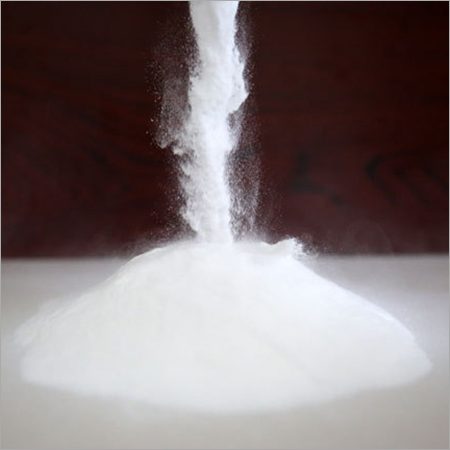
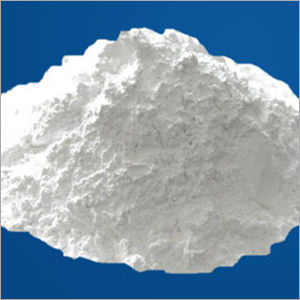
- White crystalline powder
- 2072°C
- NO
- Insoluble in water
- Aluminum Oxide (Al2O3)
- Tasteless
- 101.96 g/mol
- High hardness, good thermal conductivity, electrical insulation, resistant to corrosion
- 1.76
- Al2O3
- Powder
- Odorless
- Stable under recommended storage conditions
- Abrasives, ceramics, refractories, glass manufacturing, catalysis
- Granular or powder
- Non-hazardous, handle in accordance with good industrial hygiene and safety practices
- Plastic bag or drum, as per requirements
- 2977C
- 9
- 0.5%
- Fine powder, typically <45 micron
- 30 W/mK
- 0.7 - 1.1 g/cm3
Aluminum Oxide Trade Information
- 2-3 Days
- All India
Product Description
Aluminum oxide, also known as alumina, is a versatile compound widely used in various industries due to its unique properties. It is a white crystalline powder produced by refining bauxite ore. Aluminum oxide exhibits high hardness, chemical resistance, and thermal stability, making it suitable for applications ranging from abrasives and refractories to electronics and ceramics.
Frequently Asked Questions (FAQ):
Q: What is aluminum oxide?
A: Aluminum oxide is a compound composed of aluminum and oxygen. It is commonly known as alumina and has the chemical formula Al2O3. It is produced by extracting and refining aluminum from bauxite ore. Aluminum oxide is a versatile material with diverse applications due to its desirable properties.
Q: What are the properties of aluminum oxide?
A: Aluminum oxide possesses several important properties. It is characterized by high hardness, ranking 9 on the Mohs scale, which makes it suitable for use as an abrasive material. It also exhibits excellent chemical resistance, allowing it to withstand corrosive environments. Aluminum oxide is thermally stable, with a high melting point, making it suitable for applications requiring high temperatures. Additionally, it has electrical insulation properties and is an excellent thermal conductor.
Q: What are the common uses of aluminum oxide?
A: Aluminum oxide finds applications in various industries. As an abrasive, it is utilized in grinding wheels, sandpapers, and polishing compounds for tasks such as surface finishing and material removal. Aluminum oxide is also employed in refractories, which are materials resistant to high temperatures used in furnace linings and ceramic production. In the electronics industry, aluminum oxide is used as a dielectric material in capacitors and as a substrate for integrated circuit fabrication. It is also utilized in the production of ceramics, catalysts, and as a filler material.
Q: Is aluminum oxide safe to use?
A: Aluminum oxide is generally considered safe to use in industrial applications when proper precautions are followed. However, it can pose health risks if inhaled as fine particles or if there is prolonged exposure to large amounts of dust. It is essential to use appropriate personal protective equipment, such as respiratory masks and gloves, when handling aluminum oxide to minimize any potential health hazards. It is recommended to adhere to safety guidelines and consult material safety data sheets (MSDS) for specific handling and disposal instructions.
Exceptional Hardness and Thermal Properties
Aluminum Oxide stands out for its remarkable hardness, ranking 9 on the Mohs scale, and its high melting and boiling points (2072C and 2977C, respectively). These characteristics make it ideal for demanding industrial processes, ensuring both durability and exceptional performance in thermal and abrasive environments.
Diverse Industrial Applications
With its robust physical and chemical stability, Aluminum Oxide is a go-to material in abrasives, ceramics, refractories, glass manufacturing, and as a catalyst. Its amphoteric nature and resistance to corrosion provide versatility, while its non-toxic, odorless profile ensures safe handling for varied manufacturing needs.
Safe Handling and Storage
This product is classified as non-hazardous and does not present toxicological risks when handled with good industrial hygiene. It remains stable when kept at room temperature, and loss on ignition is minimal (0.5%). Packaging options include plastic bags or drums, tailored to storage requirements to preserve quality.
FAQs of Aluminum Oxide:
Q: How should I safely handle and store Aluminum Oxide powder?
A: Aluminum Oxide should be handled in accordance with general industrial hygiene and safety guidelines. It is non-hazardous, but avoid inhaling fine particles and use appropriate protective gear. Store it at room temperature in a sealed plastic bag or drum to maintain product integrity.Q: What industrial processes commonly utilize Aluminum Oxide powder?
A: This material is widely used in abrasives, ceramic production, refractories, glass manufacturing, and as a catalyst due to its high hardness, thermal stability, and excellent electrical insulation. Its versatility also makes it suitable for other specialized manufacturing processes.Q: When should Aluminum Oxide be chosen over other industrial powders?
A: Choose Aluminum Oxide when your application demands high hardness, good thermal conductivity, and resistance to corrosion. Its superior properties are especially valuable in environments requiring durable abrasives, heat resistance, and electrical insulation.Q: Where is this Aluminum Oxide powder produced and exported from?
A: The Aluminum Oxide is manufactured, supplied, and exported from India by reputed manufacturers and wholesalers, ensuring access to consistent quality industrial-grade material.Q: What benefits does Aluminum Oxide offer for abrasive applications?
A: Its high hardness (Mohs 9) and fine particle size make Aluminum Oxide exceptionally effective as an abrasive material, delivering consistent performance and durability in cutting, grinding, and polishing applications.Q: How does the particle size influence the performance of Aluminum Oxide?
A: With a fine powder size typically below 45 microns, the increased surface area of Aluminum Oxide particles enhances its reactivity and efficiency, especially important in catalysis and precision abrasive tasks.Q: What is the shelf life and recommended storage condition for Aluminum Oxide?
A: Aluminum Oxide powder is stable under recommended storage conditions, which include keeping it at room temperature in a sealed container to protect it from moisture and contaminants.Tell us about your requirement

Price:
Quantity
Select Unit
- 50
- 100
- 200
- 250
- 500
- 1000+
Additional detail
Mobile number
Email

Other Products in 'Minerals and Chemicals' category

Contact us

- K-003, Sonam Sneh CHS.Ltd., Golden Nest, Phase-1, Mira Road-East, Mira Bhayandar - 401105, Maharashtra, India
- Phone : 08045478249
GST : 27AFGPV2505L1Z5

- Mr RAJESH PREMJI VADHER (Proprietor)
- Mobile : 08045478249
- Send Inquiry
 Send Inquiry
Our Products
 Send Inquiry
 Send SMS
WELCOME CHEMICALS
All Rights Reserved.(Terms of Use)
Developed and Managed by Infocom Network Private Limited.
Developed and Managed by Infocom Network Private Limited.


